Table of Content
If you are buying in Wesley Chapel, you won’t have much room to negotiate because the market for that neighborhood is hot. The demand is high, and if you won’t buy at the seller’s price, someone else will. Once the time for contingency is up, the sellers can choose a different buyer to work with. An experienced professional will find something wrong with every house, no matter what. Even newly constructed models will have errors in the craftsmanship or a building code violation hidden inside or on the external components of the building. For Raghuveer, he likes to first thoroughly discuss with his clients any potential red flags and the value of the home — not just market price, but also the long-term market value of the home.
If the inspection returns any necessary repairs or issues, the buyer can ask sellers to address them. Sellers have the option to make repairs, reduce the purchase price, or refuse. If the seller refuses, the buyer has the right to walk away from the deal. The home inspection contingency clause is part of a real estate contract.
Home Inspection Contingency Example
The issues with the house should be reasonably significant to break the contract instead of negotiating with the seller for a resolution. If the home inspector finds a few items that concern you, you can ask the seller to fix the problem, reduce the purchase price, or give you a cash credit at closing to fix the problem yourself. This is where a thorough home inspection report can help with negotiations. When everything has been agreed upon, that means the inspection contingency is removed. For example, the home inspection contingency is removed if the seller agrees to everything on the list. If the seller doesn’t, the buyer can either stick with the contract, make a counteroffer with a different list, or cancel the contract without being charged.
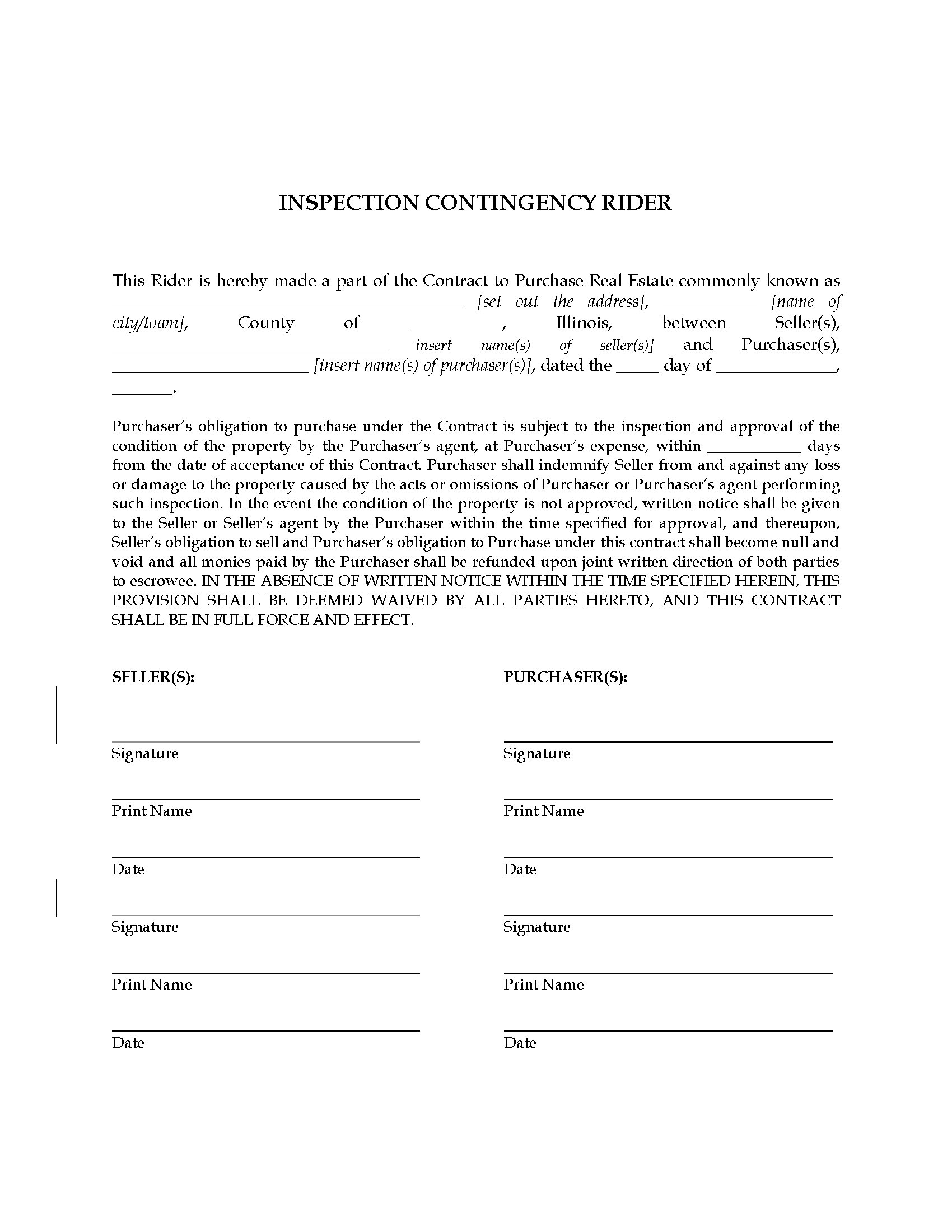
Most of these clauses have language in there about a satisfactory inspection. This means that if a buyer finds something that’s going to be an issue and the seller won’t fix it or lower the price, the buyer can back out of the deal. In the event that the seller chooses to make repairs, the buyers should take the opportunity at the final walkthrough to make sure these repairs are completed to their satisfaction. This is the final opportunity they’ll have to rectify anything before closing. Your home serves as collateral for the loan and a lender can’t give you more than the home is worth.
Call Keystone for Home Inspection in Cleveland, Ohio
If the inspector doesn’t find anything wrong with the home, or at least nothing major, you can remove the contingency and proceed with the sale. You can realistically negotiate for anything after a home inspection, but getting the seller to agree to your terms is the real trick. You will need plenty of evidence such as pictures and repair estimates, as often a seller will actually be unaware of the defect in question. Some homes have major problems that the average homebuyer might miss, like cracks in the foundation, mold, pest infestations, and faulty HVAC.
After an agreement is made on a price, the seller will pull the house from the market, temporarily allowing you to settle a few details. After all, it’s an expensive purchase, which is why you should always add a home inspection contingency to your purchase offer. As the buyer, you’ll be responsible for paying the home inspection fees. You’ll also have the choice whether you are there during it or not.
Exterior Inspection
I am in the construction industry, and I would not buy a home without Ludwig looking at it. He and his inspectors and staff are thorough, timely and professional. You will be responsible for the task of hiring an inspector to perform the home inspection at a designated time. The allotted period could be as short as 5 days if it’s a competitive offer or as long as 17 days. When you buy a house, a home inspection contingency states that if the house passes a home inspection you will buy the house. However, if the house does NOT pass the home inspection, you walk away from the sale with no obligation.
Buyer shall have the right to inspect the Property within seven days of the accepted offer. Some in the real estate industry will refer to the home inspection timeline as the due diligence period. Besides the inspection, a buyer should research the history of the house. For example, the contingency clause might say if it’s determined there are more than $1000 in defects discovered during the inspection, the buyer can terminate. Home buyers and sellers have several options for action once they receive the results of the home inspection.
It can also include real estate contingency clauses, including a home inspection contingency. The home inspection contingency is frequently used in purchase contracts to protect the buyer. The contingency clause allows a buyer to ensure the home is in good condition before continuing with the purchase.
The inspector will sometimes check kitchen appliances that come with the home to make sure they work, but these are not always part of the inspection. If you think you'll want to keep them, be sure to ask which ones are omitted so that you can test them yourself. The inspector will let you know whether the grading slopes away from the house as it should. If it doesn't, water could get into the house and cause damage, and you will need to either change the slope of the yard or install a drainage system. She holds a Bachelor of Science in Finance degree from Bridgewater State University and helps develop content strategies for financial brands. The International Association of Certified Home Inspectors provides information about home inspections by state and can direct you to your state's home inspector licensing agency.
If you have a home inspection contingency in your purchase contract, you have some protection if the inspector finds some severe issues with the property. While sellers don’t generally like contingencies, this can be very important for buyers regarding property inspections. Due diligence contingencies give you recourse as a buyer if problems with a home are found. During the home inspection, the inspector identified a few issues that needed to be repaired.

The inspector will judge the age of the HVAC systems in the home and ensure they function. If the air conditioning unit or the furnace shows their age, they might be closer to the end of their useful life. The type of electrical wiring used in the property will be checked, and the outlets tested. Checks will be made to the outlets, ensuring they will not start a fire. The electrical panel in the home will also be looked at for safety issues. Despite this, home inspectors are not specialists in termites and similar damage, and they might not even specifically check for them.
The results from a home inspection can come back with several different conclusions. The best option is when the inspector doesn’t find any serious issues. While many lenders require these for closing, most homebuyers choose them even when their lenders don’t require them. Typically, the buyer has until the home inspection deadline period to do so. They must also present a list of what they want the sellers to do to fix the situation and move forward with the deal.
You want to find a house that suits your needs, preferably in your desired location, and of course, within your budget. And in a perfect world, you hope for a house free from problems or complications. The home inspection could reveal problems that might be life-threatening. There could be faulty wiring in the home, but without the inspection, you wouldn’t know about it until it’s too late. If the home has problems that aren’t visually obvious, it is likely to go unnoticed. This can mean problems appear after purchasing the home, but there is only so much you can expect from a home inspection.
Sellers usually prefer offers without contingencies because they have fewer roadblocks that could delay the sale or cause it to fall through. But buyers who give up their right to a home inspection open themselves up to significant risk. Home inspection contingencies can last anywhere from a couple days to a few weeks, depending on the terms of your purchase agreement.
Before we can define what a home inspection contingency is, we need to understand what a contingency is. A contingency is a condition set in place that states that if A happens, C follows, but if B happens, D follows. Buying a home is a tremendous investment, possibly the largest investment of your life.


No comments:
Post a Comment